
Case Study
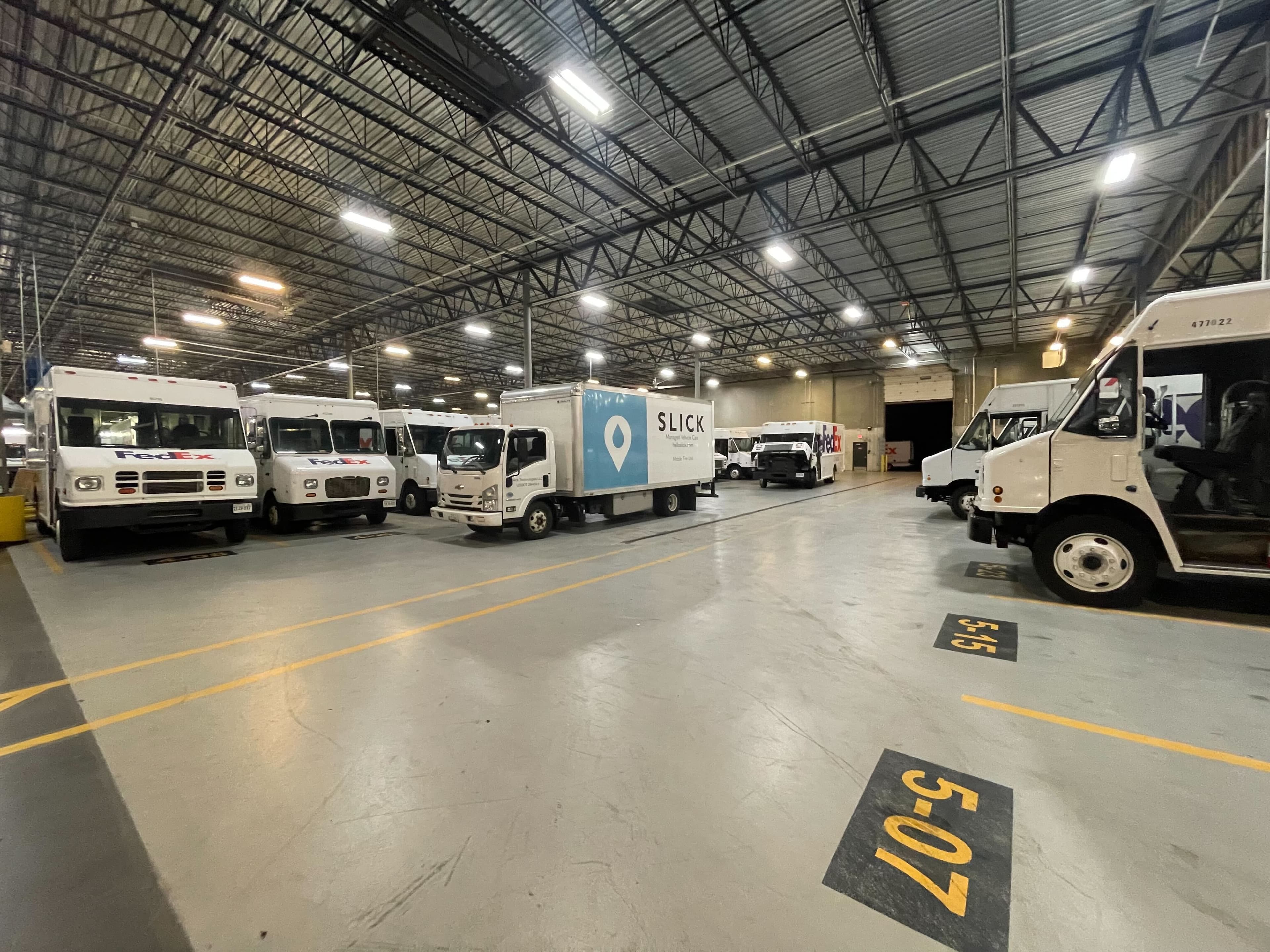
FedEx ISP Case Study: 40-Truck Fleet Saves over $54,000/Year
How a FedEx Independent Service Provider eliminated shop visits, cut spare vehicles from 4 to 1, and reclaimed 40+ hours per month with managed maintenance.
5 min read
Most fleet operators know what they spend on parts and labor. It's right there on the invoice.
What they don't calculate is the other cost — the hours their team burns scheduling shop visits, chasing vendor updates, reconciling invoices, and scrambling when something breaks. That time has a dollar value. And it's almost always higher than the repair bill.
Here's where the hours actually go:
You've got 30 trucks that each need an oil change every 5,000 miles. That means coordinating 30 individual shop appointments, across multiple vendors, each requiring a driver to drop off the vehicle, wait (or arrange a ride back), then pick it up later. A "quick" oil change turns into a 3-hour round trip. Multiply that by your fleet size and service frequency, and you're looking at hundreds of hours per year — just on oil changes.
With a managed maintenance program, all of it happens on your yard, after hours, on a schedule built around your actual mileage. No shop trips. No coordination. No lost routes.
A truck breaks down on a Tuesday morning. Now you're making calls — finding a shop that can take it today, arranging a tow, pulling a spare vehicle (if you have one), reassigning a driver, and following up for three days until it's done. Each truck in your fleet generates $1,500–$2,500 per day in revenue. Every day in a shop is money you don't get back.
Emergency repairs cost 2–3x what scheduled service costs. But the real hit isn't the invoice — it's the 4–6 hours your operations team just spent managing one breakdown instead of running the business.
DOT inspections. DVIRs. Emissions testing. State registrations. Every vehicle has a different schedule, different requirements, and different deadlines. Miss one, and you're looking at fines, failed audits, or vehicles pulled off the road.
Most fleet managers track this in a spreadsheet — when they track it at all. The week before an audit becomes an all-hands scramble to locate paper records, dig through shop invoices, and prove compliance vehicle by vehicle. That's not maintenance management. That's fire fighting.
Inspections documented digitally — with photos, timestamps, and per-vehicle history — eliminate the scramble entirely.
Here's the irony: preventive maintenance exists to save you time and money. But managing a PM program the traditional way eats both.
Someone has to track mileage intervals for every vehicle. Someone has to schedule each service. Someone has to follow up with the shop to confirm the work was done and done correctly. Someone has to log the results. For a 30-truck fleet on a 5,000-mile PM cycle, that's 70–90 service events per year — each requiring coordination, scheduling, and verification.
Without a system, intervals slip. Oil changes get skipped. Brake inspections happen when a driver complains, not on a schedule. And then you're paying for the emergency repair that PM was supposed to prevent.
Tires are one of the highest recurring costs in fleet maintenance — and one of the easiest to mismanage. Monitoring tread wear across 30+ vehicles, scheduling rotations, coordinating alignments, and replacing worn tires before they blow out on the highway requires consistent tracking.
Most operators don't have consistent tracking. They have a driver who mentions a tire looks low, a shop that upsells a full set when only two need replacing, and a blowout on I-95 that costs more than the tires ever would have.
Every vehicle in your fleet has a service history. The question is whether you can actually find it.
When maintenance is spread across multiple shops, records live in multiple places — some in email, some on paper invoices stuffed in a folder, some nowhere at all. Try filing a warranty claim without documented service history. Try proving compliance during an audit. Try figuring out whether that truck is worth keeping or replacing without knowing what you've put into it.
Maintaining accurate, accessible records for every vehicle is a job in itself. Most fleet managers don't have time for it, so it doesn't get done — until it costs them.
A tech diagnoses a brake issue. Now someone needs to source the right pads for that specific vehicle, find a vendor who has them in stock, negotiate pricing, arrange delivery, and make sure the parts arrive before the next service window. Order the wrong part, and the whole cycle restarts.
For fleets running multiple vehicle makes and models, parts coordination is a time sink that compounds with every truck you add. The hours your team spends sourcing parts is time they're not spending on operations.
Your drivers are the first to know when something feels off — a vibration, a warning light, a noise that wasn't there yesterday. But getting that information from the driver's seat to the maintenance team, and then into a service workflow, requires a system.
Without one, it's a text to the fleet manager, who calls a shop, who puts it on next week's schedule, who forgets. The driver keeps driving on a bad bearing until it seizes.
Which vehicles are costing you the most? Which ones should be replaced next year? Is your maintenance spend trending up or down? Are you paying more per vehicle than you should be?
These are the questions that drive smart fleet decisions. But answering them requires clean data — service history, cost-per-vehicle tracking, trend analysis. If your maintenance records are scattered across five different shops and a spreadsheet you haven't updated since March, you're not making data-driven decisions. You're guessing.
So the next time you're calculating the cost of maintaining your fleet, don't just add up the invoices. Add up the hours.
The shop coordination. The follow-up calls. The compliance scrambles. The breakdown management. The parts sourcing. The spreadsheet maintenance. All of it.
We call these "distractions." And with Slick's managed maintenance, most of them disappear. One provider. One platform. One monthly cost. Your team gets their time back.
Distraction is the enemy of profit and margin.
How a FedEx Independent Service Provider eliminated shop visits, cut spare vehicles from 4 to 1, and reclaimed 40+ hours per month with managed maintenance.
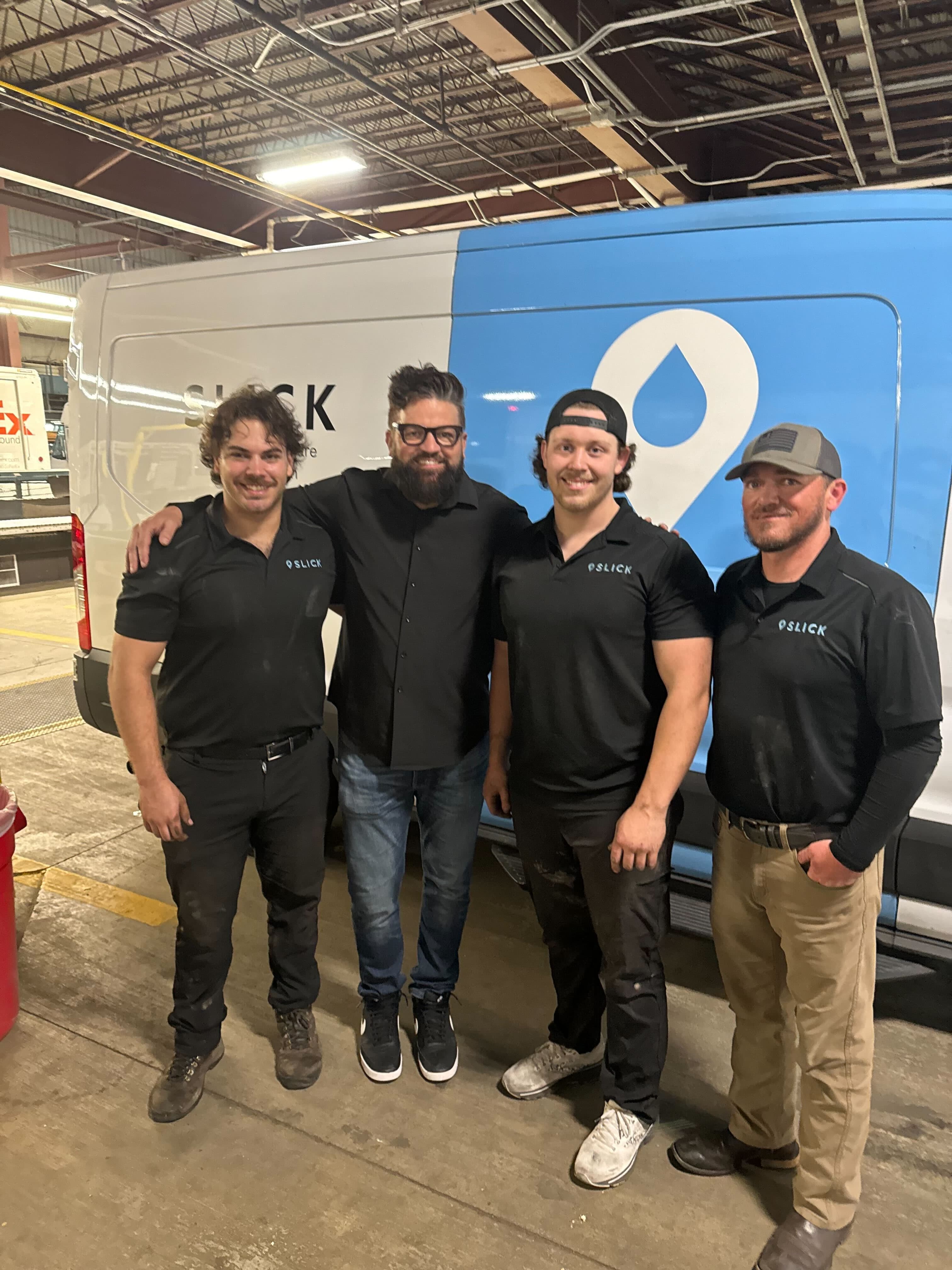
How Slick builds a winning culture with blue-collar workers through inspiration, investment, and Slick University — a 24-month growth track for technicians.
Book a discovery session and see how Slick keeps your fleet running with less effort.