The Operation
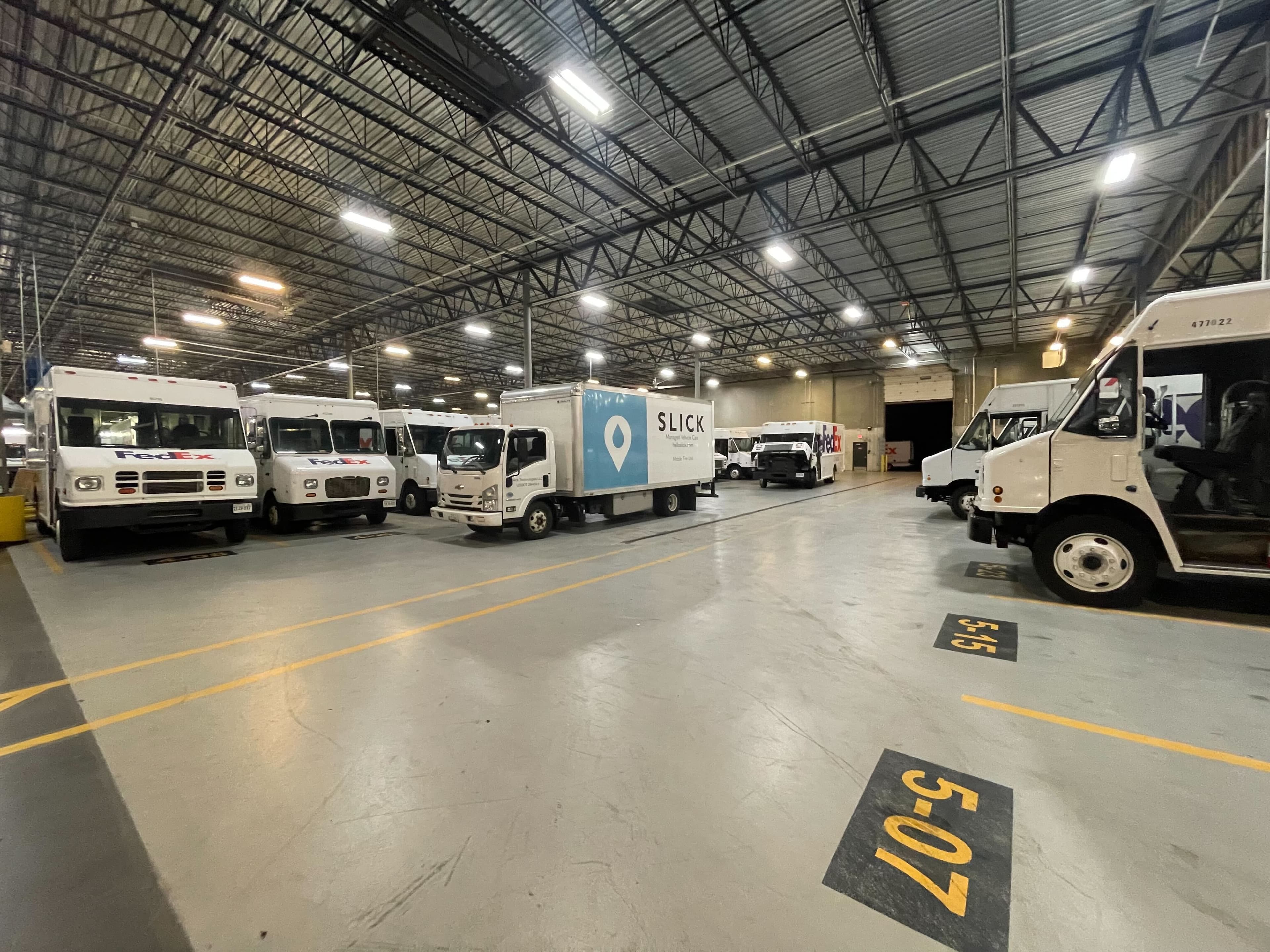
A FedEx Independent Service Provider running 40 delivery trucks out of a single terminal. The fleet runs six days a week, 50 weeks a year — every truck on the road is revenue, and every truck in a shop is a problem. Routes don't wait. When a vehicle goes down, the ISP either pulls a spare or misses deliveries. Neither option is free.
The Problem
Before Slick, maintenance was a constant fire drill.
The ISP was relying on a patchwork of local shops — a couple of mom-and-pop garages, a tire chain, and the occasional mobile mechanic when things got desperate. None of them talked to each other. None of them knew the fleet. And none of them could be trusted to get a truck back on the road the same day.
The real costs were stacking up in places that didn't show up on a repair invoice:
Vehicle downtime was the biggest hit. A truck in a shop meant a route that didn't get covered — or a spare that had to be pulled, maintained, insured, and parked somewhere. The ISP was carrying 4 spare vehicles just to absorb shop delays. At roughly $1,500–$2,000/month per spare (lease, insurance, registration), that's $6,000–$8,000/month sitting in the parking lot as a hedge against unreliable maintenance.
Shop trust was gone. The ISP had been burned more than once — trucks that went in for brake work and came back with new problems, invoices that didn't match estimates, jobs that took three days when they were quoted for one. Every shop visit required follow-up calls, second opinions, and someone from the ops team driving out to check on things. The fleet manager was spending 10+ hours a week just managing vendor relationships.
There was no system. Maintenance was tracked in a spreadsheet — when it was tracked at all. Oil change intervals slipped. Tire rotations got skipped. Brake inspections happened when a driver complained, not on a schedule. The result was predictable: more breakdowns, more emergency repairs, more cost, more chaos.
The Switch
The ISP started with Slick's managed maintenance service covering oil changes, inspections, and tire service for all 40 trucks. Within 60 days, they added brakes and corrective repairs.
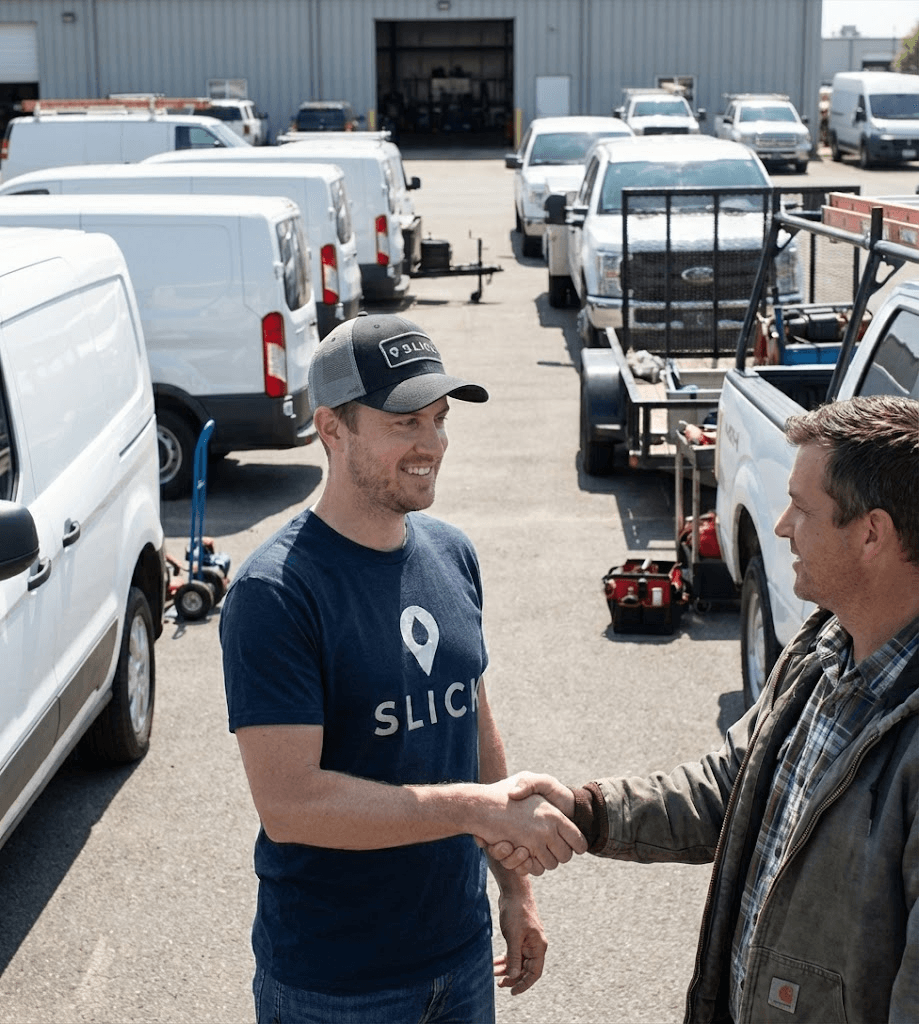
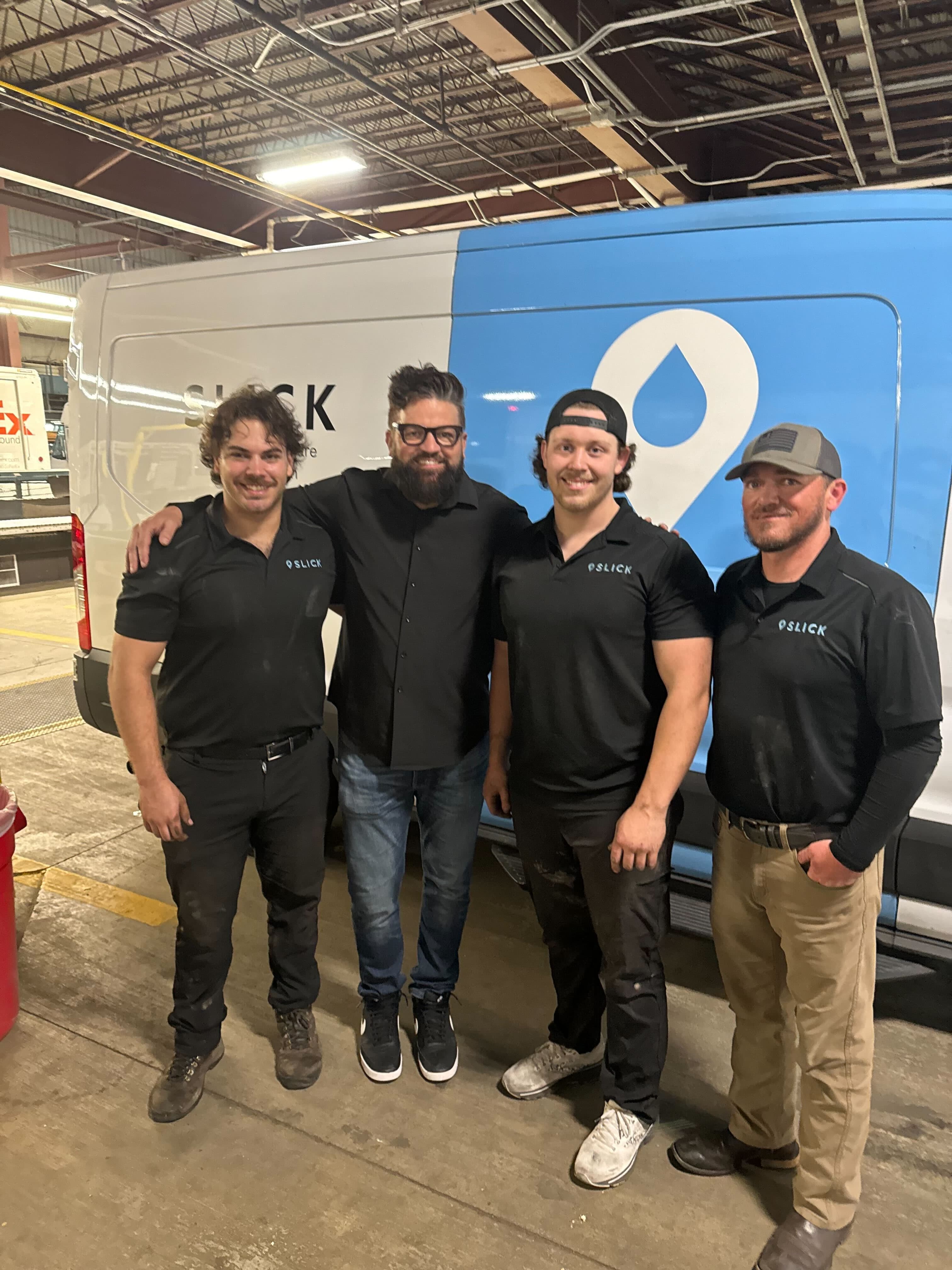
Week one: Slick deployed a tech and service van to the ISP's terminal. First visit happened after the last truck returned for the day — no disruption to routes.
First month: Every vehicle got a full multi-point inspection with photos and video, documented in TruView. The ISP's fleet manager could see the health of all 40 trucks in one dashboard for the first time. Slick flagged 6 vehicles with brake wear that hadn't been caught and 3 with tire tread below safe levels.
By month three: The fleet was on a consistent service rhythm. TruView was auto-scheduling visits based on actual mileage. The ISP's fleet manager went from spending 10+ hours a week chasing shops to reviewing estimates in TruView and approving work with a tap. Anything outside the managed service — a worn suspension component, an unexpected repair — showed up as an estimate in the platform. No phone calls. No surprises.
The Results
12 months after switching to Slick:
Spares reduced from 4 to 1. With vehicles being maintained on a consistent schedule and never leaving the yard for service, the ISP no longer needed a fleet of backup trucks to absorb shop delays. That's 3 fewer leases, 3 fewer insurance policies, 3 fewer registrations. Estimated savings: over $54,000/year in spare vehicle carrying costs alone.
Zero vehicles lost to shop visits. Every service event happened on-site, after hours. No trucks left the terminal for maintenance. No routes were missed because a vehicle was sitting at a garage across town.
Fleet manager reclaimed 40+ hours per month. No more calling shops for updates. No more driving to check on vehicles. No more reconciling invoices from five different vendors. One platform, one invoice, one provider.
Brake and tire failures dropped. Consistent inspections caught wear before it became a breakdown. The ISP went from reactive brake replacements (often after a driver complaint or a failed DOT inspection) to scheduled, documented replacements on Slick's recommended intervals.
Full fleet visibility for the first time. The ISP's operations team could see every vehicle's maintenance status, upcoming service, and historical work — all in TruView. When FedEx asked questions about fleet readiness, the ISP had answers instantly instead of digging through a spreadsheet.
What They're Running Today
The ISP runs a full managed maintenance service with Slick: oil, filters, tires, brakes, fluid services, and corrective repairs — all at a fixed MRC. TruView handles scheduling, documentation, and estimate approvals. The fleet manager reviews the dashboard weekly instead of managing vendors daily.
They kept one spare — down from four — and plan to evaluate whether they need it at all after another six months of data.
The Takeaway
The ISP wasn't just overpaying for parts and labor. They were paying for downtime, paying for spares they shouldn't have needed, paying for a fleet manager's time spent babysitting shops, and paying for the breakdowns that happen when maintenance falls through the cracks.
Slick didn't just replace the shops. It replaced the chaos.
Fleet Size: 40 trucks | Vehicle Types: Delivery step vans, cargo vans | Market: Mid-Atlantic | Services Bundled: Oil, filters, tires, brakes, fluids, corrective repairs, inspections | Time to Launch: 1 week